Damages for Pain and Suffering
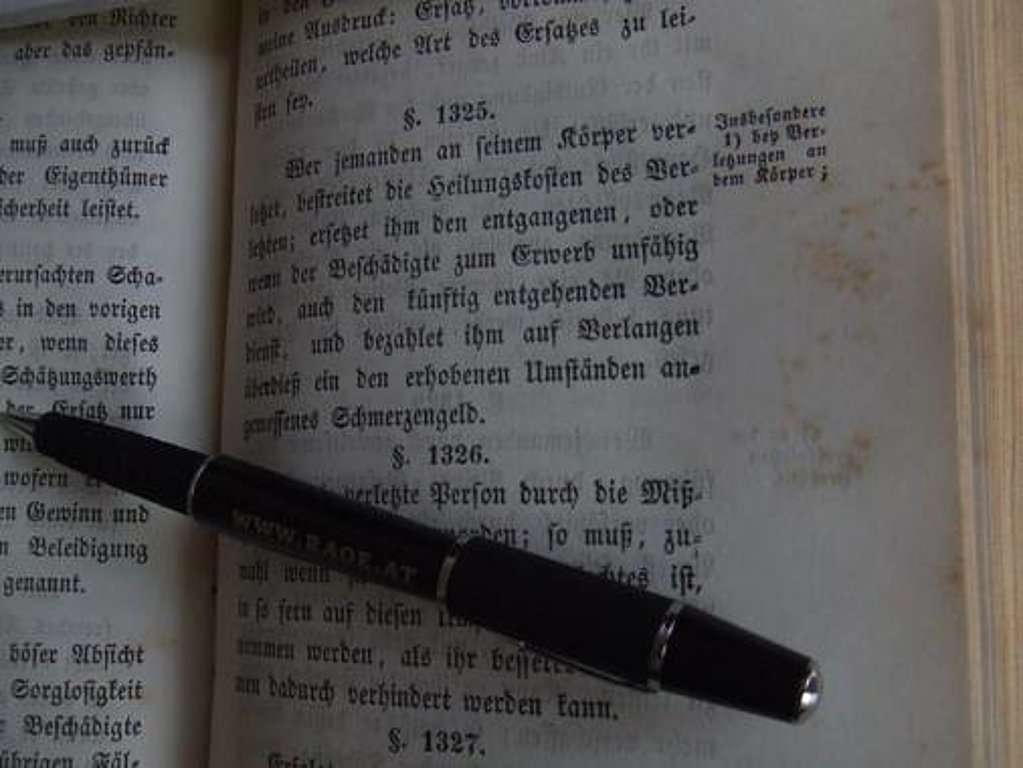
Damages for pain and suffering can be claimed for compensation of immaterial damage, for example after a traffic accident or a skiing accident. The purpose of damages for pain and suffering is to mitigate pain. Physical and mental pain will be compensated.
The law provides as follows for compensation of pain and suffering in section 1325 of the Austrian Civil Code (ABGB):
„Whoever injures someone shall cover the cost of recovery of the party injured; shall compensate his/her lost earnings, or whenever the party injured becomes incapable to work, also the future lost earnings and shall pay upon request compensation for pain and suffering reasonable in accordance with the circumstances as identified."
Compensation for pain and suffering is to compensate unpleasantness and create pleasantness and relief.
Calculation of compensation for pain and suffering in Austria | Law | Lawyer
As a rule (no law), the courts in Austria ascertain the amount of damages for pain and suffering by daily amounts. Daily amounts are awarded (depending on the court) as follows:
- light pain between € 100 and € 110 per day
- medium pain between € 200 and € 220 per day
- severe pain between € 300 and € 330 per day
There is no right to a particular "daily amount". The courts will decide in each individual case (usually by consulting an expert) the amount they deem adequate.
Degrees of pain
Intensities of pain were first categorized in 1975, according to a formula by Prof Holczabek:
- Severe pain: feelings of pain and illness affect the injured persons to an extent that in spite of or due to the very treatment they are not in a position to withdraw by their own force from this condition from which they are not able to distract, not able to enjoy anything, in which they are in the very meaning of the word suffering individuals and very ill.
- Medium pain: pain subsists on an equal level with the ability to withdraw from it; the persons are ready and able to realize certain interests.
- Light pain: the persons are able to dominate the painful condition. They can distract from it and possibly also pursue work, although they are not at all fully free from pain and unpleasant feelings.
Bodily injury: As of when?
In cases of dispute, an expert will decide as of when a bodily injury will trigger compensation of pain and injury and establish its severity. Conceivable bodily injuries are e.g. medical malpractice, traffic accident, punch in the course of a brawl, skiing accident, injury before birth, stalking, sexual abuse, etc.)
Mental damage (shock, mental pain) entitle to compensation if they triggered damage to health resulting in illness.